
Nutrition and Wellness at Provive Wellness
Nutrition and Wellness at Provive Wellness
Recovery does not happen in the mind alone. It happens in the brain — and the brain is a biological organ that runs on what you feed it. This is not a wellness platitude. It is a clinical reality with an expanding research base. Long-term substance use disrupts nutritional status in ways that directly affect mood, cognition, impulse control, and the capacity to tolerate stress. Correcting those disruptions — through deliberate attention to food, hydration, sleep, and physical health — is not a nice-to-have in addiction recovery. It is a foundational dimension of the work.
At Provive Wellness, nutrition and wellness education is integrated into our Partial Hospitalization Program (PHP) and Intensive Outpatient Program (IOP) at our Wayne, PA and Scranton, PA locations. This programming combines education with practical application, and is coordinated with your clinical treatment team.
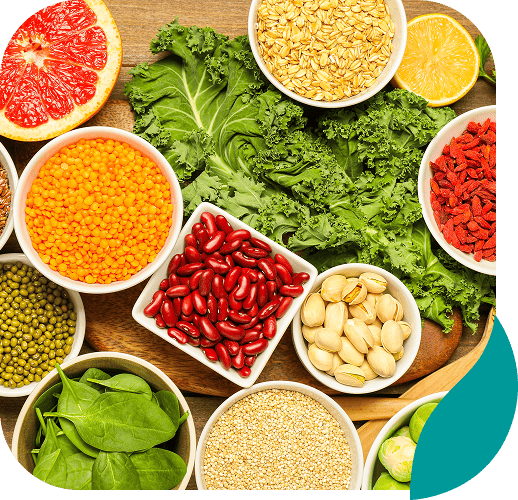

Nutrition and wellness programming at Provive addresses:
- The nutritional deficiencies caused by substance use — and how to reverse them during recovery
- Blood sugar regulation — erratic blood sugar underlies much of the mood instability, cravings, and irritability of early recovery
- The gut-brain axis — emerging research links gut microbiome health directly to mood, anxiety, and emotional regulation
- Hydration and its effects on energy, sleep, and cognitive function
- Building sustainable, practical eating habits rather than restrictive or perfectionistic ones
- Understanding how physical self-care communicates self-worth — and why that matters in recovery
The science connecting nutrition to mental health has advanced significantly in the past decade. A 2024 review published in Frontiers in Nutrition (NIH) examined the brain-gut-microbiota system and found that the bidirectional relationship between the brain, gut, and gut microbiota exerts substantial influence on cognitive processes, mood regulation, neuroplasticity, and mental health. The same review noted that insufficient or inadequate nutrition is linked to increased risk of compromised brain health and psychological functioning. Research in nutritional psychiatry has grown 15-fold from 2000 to 2024. The landmark SMILES trial — the first randomized controlled trial of dietary intervention for clinical depression — found that a Mediterranean-style diet produced significant improvement in depressive symptoms compared to social support alone. Probiotics and prebiotics have also been studied in recovery populations: a 2022 study found positive effects of probiotic supplementation in patients under methadone maintenance treatment.
For people recovering from substance use disorder, the nutritional picture is particularly important. Alcohol depletes B vitamins — including thiamine, which is critical for neurological function — as well as zinc, magnesium, and folate. Opioid use disrupts gut motility, alters the microbiome, and affects the body’s production of serotonin, much of which is synthesized in the gut. Stimulant use often leads to extended periods of poor nutrition and significant weight loss. These are not minor side effects — they are physiological disruptions that have real consequences for mood, energy, sleep, and the capacity to tolerate the demands of recovery.
For people recovering from substance use disorder, the nutritional picture is particularly important. Alcohol depletes B vitamins — including thiamine, which is critical for neurological function — as well as zinc, magnesium, and folate. Opioid use disrupts gut motility, alters the microbiome, and affects the body’s production of serotonin, much of which is synthesized in the gut. Stimulant use often leads to extended periods of poor nutrition and significant weight loss. These are not minor side effects — they are physiological disruptions that have real consequences for mood, energy, sleep, and the capacity to tolerate the demands of recovery.
What nutrition and wellness programming at Provive looks like:
- Educational sessions covering the science of nutrition in recovery — delivered in accessible, non-clinical language
- Practical guidance on eating patterns that stabilize mood, energy, and sleep
- Discussion of the gut-brain connection and why gut health affects emotional health
- Exploration of the relationship between physical self-care and self-worth in recovery
- Individual considerations — your clinical team can address specific nutritional needs based on your history

One thing that often surprises people in early recovery is how much better they can feel — physically, mentally, and emotionally — when they eat well and sleep enough. Many people in active addiction have been functioning in a state of chronic physical depletion for months or years. The body’s recovery has its own timeline, and nutrition is one of the most direct tools for supporting it. When the body begins to feel better, the work of psychological recovery becomes more accessible — not easier, but more possible.
Call us at (610) 947-0800 to begin yours or a loved one’s journey toward recovery — one that treats the whole person, body included. Our admissions team will answer your questions, explain our programming, and verify your insurance benefits at no cost.
Frequently Asked Questions
No. The goal of nutrition programming at Provive is education and practical guidance — not restriction or prescription. You will learn how different eating patterns affect mood, energy, and recovery, and you’ll be supported in making sustainable choices that work for your life. There is no “recovery diet.”
Through several mechanisms. Blood sugar stability has a direct effect on mood and irritability. The gut-brain axis means that the health of your gut microbiome influences neurotransmitter production, including serotonin. B vitamins and omega-3 fatty acids play direct roles in neurological function. These are physiological relationships, not motivational theories.
This is a clinically important question. Co-occurring eating disorders and substance use disorders require careful, specialized attention. Your clinical team at Provive will assess for this and tailor nutrition programming accordingly. Nutrition education at Provive is always delivered in a way that is sensitive to disordered eating presentations.
Historically, addiction treatment has focused primarily on the psychological and behavioral dimensions of recovery. The nutritional science applied to recovery is relatively recent. At Provive, we incorporate it because the evidence is clear: physical restoration supports psychological recovery, and ignoring the body is not whole-person care.
Nutrition and wellness is integrated into Provive’s PHP and IOP programming, which most major insurance plans cover. Call (610) 947-0800 for a confidential benefits verification at no cost.
The Provive Difference

PERSONALIZED CARE
Innovative treatment tailored to you. Our experts embrace the latest in evidence-based practices to help patients get results.

SUPPORTIVE STAFF
You’re not alone. Our staff understands the challenges of overcoming addiction and provides support at every step.

HOLISTIC APPROACH
Physical health is just one piece of the puzzle. We help patients achieve optimal wellness in mind, body, and spirit.
Some Insurance Plans we work with include:


The journey to wellness starts with a single step
Contact our team to learn more about the programs and resources available at our Wayne and Scranton locations.


