
Anxiety
Comprehensive Anxiety Treatment Program
Everyone feels anxious now and then, and that’s a normal part of life. An anxiety disorder is different: the worry or fear is stronger than the situation calls for, it sticks around, and it starts getting in the way of work, school, relationships or sleep. For some people it shows up as constant worry about everyday things. For others it comes as sudden panic attacks, intense waves of fear that build within minutes and can feel like a heart attack. Many people start avoiding places or situations just to keep those feelings away.
Anxiety disorders often begin in childhood or the teen years and can carry on into adulthood if they’re not treated, and they frequently show up alongside depression or substance use. The good news is that anxiety is one of the most treatable mental health conditions, and the right anxiety treatment can bring real, lasting relief.
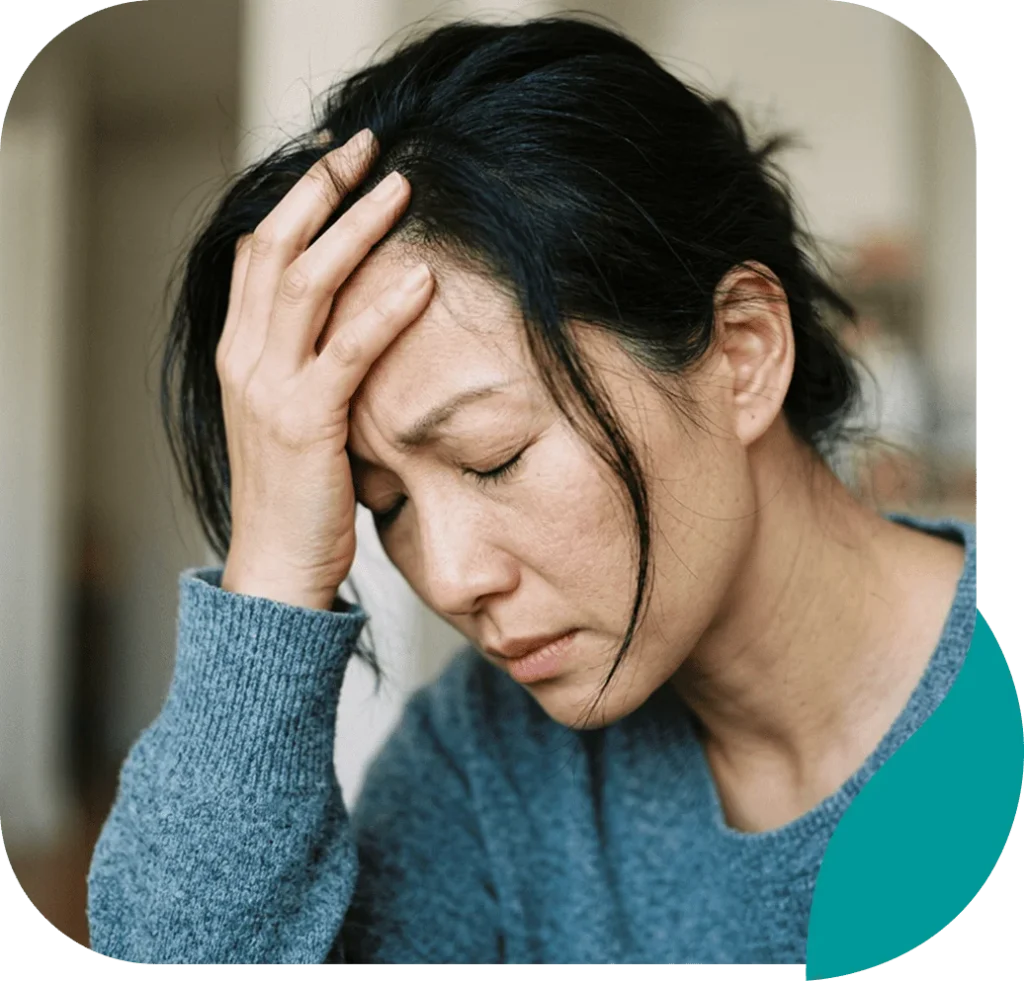
Common Signs and Symptoms
- Feeling on edge, keyed up or unable to relax
- A nagging sense that something bad is about to happen
- Worry that's hard to switch off, even about small things
- A pounding or racing heart
- Fast, shallow breathing or feeling short of breath
- Sweating or shaking when anxiety hits
- Tiring easily or feeling drained most of the time
- Trouble focusing on anything except the worry
- Difficulty falling asleep or staying asleep
- Stomach upset, nausea or other digestive problems
- Steering clear of places or situations that trigger anxiety
- Sudden waves of intense fear that peak quickly

Types of Anxiety Disorders We Treat
Anxiety takes several different forms, and it’s possible to have more than one. Understanding which type someone is dealing with helps shape the right level of behavioral health care.
Conditions we commonly treat include:
- Generalized anxiety disorder (GAD) — ongoing worry about ordinary things like work, health or money, often paired with physical symptoms such as tension and fatigue.
- Panic disorder — repeated panic attacks, along with ongoing fear of the next one and changes in behavior to avoid them.
- Social anxiety disorder — strong fear of being judged, embarrassed or watched by others, often leading people to avoid social situations.
- Specific phobias — intense fear tied to a specific thing or situation, such as heights, flying, needles or animals.
- Agoraphobia — fear of places or situations where it might feel hard to escape or get help, which can make leaving home difficult.
- Separation anxiety disorder — excessive fear about being apart from parents or other caregivers, most common in children.
Why Early Anxiety Treatment Matters
Anxiety rarely goes away by itself, and it often gets worse with time. Left untreated, it can lead to depression, poor sleep, headaches and digestive trouble, pulling away from friends and family, and problems at work or school. Some people start using alcohol or drugs to take the edge off, which tends to make anxiety worse in the long run. Anxiety is also easier to treat when help starts early, before avoidance and worry become deeply ingrained habits.
Provive offers anxiety treatment at several levels of care, including a partial hospitalization program (PHP), an intensive outpatient program (IOP) and an adolescent IOP. Treatment teaches practical skills for handling worry and panic, and many people notice a difference within weeks. If anxiety ever comes with thoughts of suicide, call or text the 988 Suicide & Crisis Lifeline right away, or call 911 in an emergency.


Supporting a Loved One
When someone you love is struggling with anxiety, it can be hard to know what helps. Telling them to just relax or stop worrying usually backfires, because they would if they could. It works better to listen, take their feelings seriously, and stay calm yourself, especially during a panic attack. Try not to take over every task they’re avoiding, since too much accommodation can quietly make avoidance stronger, but don’t force them into situations either. Gently encourage them to talk with a professional, and offer to help with practical steps like finding a provider or going to the first appointment. Helping your loved one connect with anxiety therapy that fits their needs can make a real difference in how they feel day to day.
Frequently Asked Questions About Anxiety Therapy
Yes. Feeling nervous before a big event or worried during a hard stretch is a normal part of life. It becomes an anxiety disorder when the worry or fear is intense, hard to control, out of step with what’s actually happening, and lasts long enough to interfere with daily life.
The exact causes aren’t fully understood. Stressful or traumatic experiences can trigger anxiety in people who are already prone to it, and anxiety disorders also run in families. A buildup of stress, other mental health conditions like depression, and alcohol or drug use can all play a part. In some cases anxiety is linked to a physical health problem, such as a thyroid or heart condition, so a medical checkup can be worthwhile too.
It often does. Many people try to calm their anxiety with alcohol, marijuana or anti-anxiety medications taken outside of how they were prescribed. Over time, substance use and withdrawal can make anxiety worse, creating a cycle that’s hard to break. When both are present, treating them together gives the best chance of lasting recovery.
Therapy is the core of anxiety treatment, especially cognitive behavioral therapy (CBT), which helps people change anxious thought patterns and gradually face what they’ve been avoiding. Many people also benefit from anxiety group therapy, where they can practice new skills and hear from others going through the same thing. Medication can help too and is managed by a prescribing provider. For more intensive needs, structured programs like a PHP or IOP add extra support.
Yes. Anxiety disorders respond well to treatment, and most people see meaningful improvement. Even people who have lived with anxiety for years can learn to manage it and get back to the things it had been keeping them from.
Only a qualified medical or behavioral health professional can diagnose an anxiety disorder. But if worry or fear is hard to control, is upsetting to you, or is getting in the way of work, relationships or sleep, that’s a good reason to get evaluated. The same goes if anxiety is showing up alongside depression or alcohol or drug use.
Anxiety Disorder Treatment in Wayne and Scranton PA
At Provive Wellness, we help people with anxiety build the skills and confidence to feel like themselves again.
Anxiety can make everyday life feel overwhelming, but it is very treatable. Contact us at (610) 947-0800 to begin yours or a loved one’s journey to recovery. Our expert staff at our behavioral health treatment centers in Wayne PA and Scranton PA will complete a thorough evaluation and build an anxiety treatment plan around your needs, including counseling, group therapy, coordination with prescribing providers and other evidence-based programs, to help you find lasting relief!
Sources

The Provive Difference

PERSONALIZED CARE
Innovative treatment tailored to you. Our experts embrace the latest in evidence-based practices to help patients get results.

SUPPORTIVE STAFF
You’re not alone. Our staff understands the challenges of overcoming addiction and provides support at every step.

HOLISTIC APPROACH
Physical health is just one piece of the puzzle. We help patients achieve optimal wellness in mind, body, and spirit.
Some Insurance Plans we work with include:



























The journey to wellness starts with a single step
Contact our team to learn more about the programs and resources available to you at Provive.


