
Oxycodone Addiction
Comprehensive Oxycodone Addiction Treatment Program
Oxycodone is a prescription opioid designed to manage moderate to severe pain, and it appears in familiar medications like OxyContin and Percocet. It can be genuinely helpful for pain when taken as directed, but oxycodone carries a genuine risk of dependence even when taken exactly as a doctor directs, and for some people that dependence develops into Oxycodone addiction. Opioids like oxycodone can also cause dangerously slowed breathing, a risk that climbs sharply when the drug is taken in higher amounts or combined with alcohol or other sedatives. Oxycodone addiction often develops alongside chronic pain, anxiety, depression or other substance use, so a complete evaluation is a critical first step. Becoming dependent on a medication a doctor prescribed is nothing to be ashamed of — it’s a recognized medical condition, and a structured addiction treatment program makes recovery both safer and far more likely to last.

Common Signs and Symptoms
Common Signs and Symptoms
- Taking oxycodone in larger amounts or more often than prescribed
- Using the medication without a prescription
- Seeing multiple doctors to keep prescriptions coming
- Needing higher doses to get the same relief or effect
- Flu-like withdrawal symptoms between doses, such as aches, sweating or nausea
- Running out of prescriptions early
- Drowsiness, nodding off or pinpoint pupils
- Mixing oxycodone with alcohol or other substances
- Neglecting work, family or financial responsibilities
- Hiding or lying about how much is being used
- Continuing to use despite mounting consequences
- Strong cravings or failed attempts to cut back
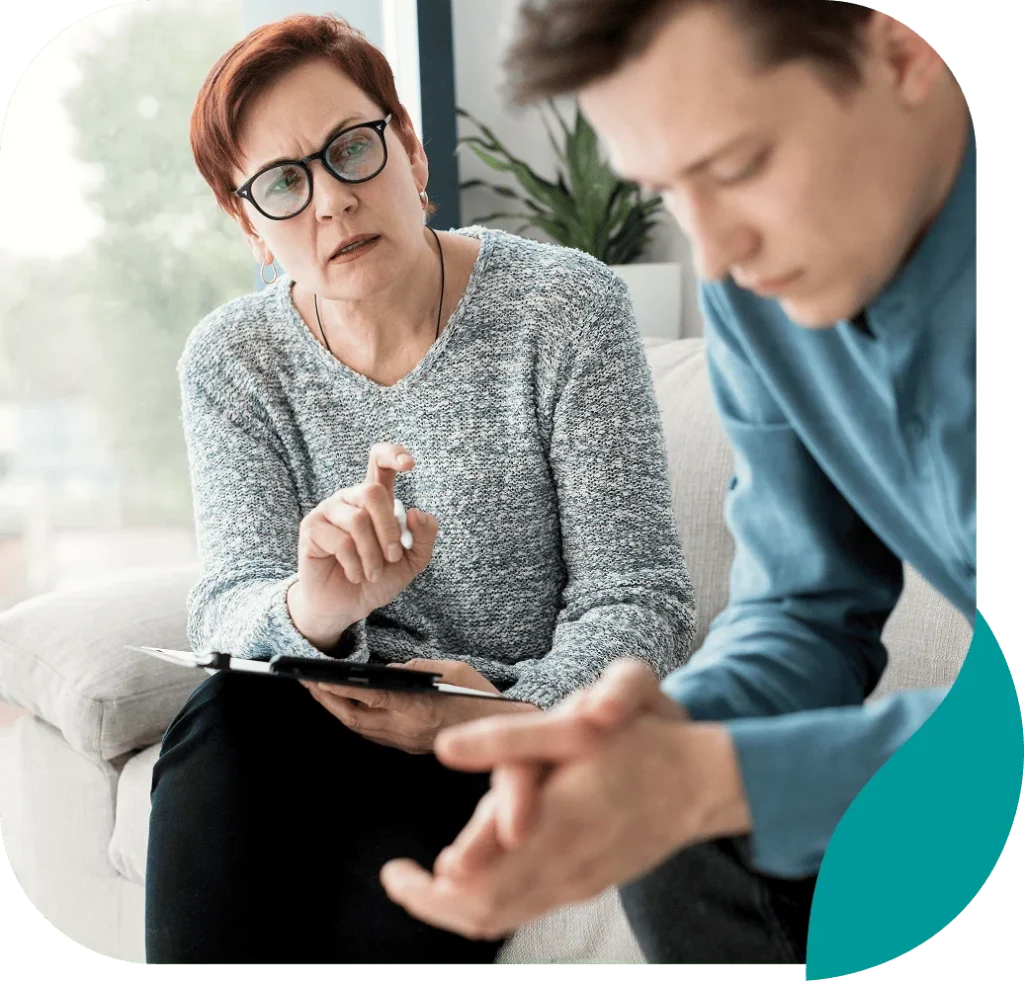
Levels of Care We Offer
Oxycodone withdrawal is intensely uncomfortable and can derail recovery attempts when faced alone, so the right level of behavioral health care depends on how far the addiction has progressed and whether other conditions are involved.
Our options include:
- Oxycodone detox — stepping down from oxycodone safely calls for medical oversight; we team up with a trusted partner who handles this stage while we plan the care that follows.
- Inpatient/residential treatment — when 24-hour care is the right starting point, we help arrange it with a trusted partner and keep it connected to the rest of your plan.
- Partial hospitalization program (PHP) — intensive, structured daytime treatment several days a week, with nights spent at home.
- Medication-assisted treatment (MAT) — we directly provide medications such as buprenorphine, methadone or naltrexone, combined with addiction counseling, to reduce cravings and lower the risk of relapse.
- Intensive outpatient program (IOP) — recurring individual and group sessions scheduled around work, school and family life.
- Oxycodone outpatient program — ongoing counseling and support that keeps recovery moving after detox or a higher level of care.
Why Early Oxycodone Rehab Matters
Dependence on oxycodone can build within weeks of regular use, and the longer it continues, the higher the stakes become — including the risk of a life-threatening overdose from slowed breathing. Getting into treatment early also matters for another reason: after a period of not using, tolerance drops, which makes a return to old doses especially dangerous. If you believe someone is overdosing on oxycodone, call 911 immediately and give naloxone if it’s available, since it can temporarily reverse an opioid overdose. And if the signs of Oxycodone addiction are showing up in you or someone you love, talking to a medical or behavioral health professional now, rather than later, is one of the most protective steps you can take.

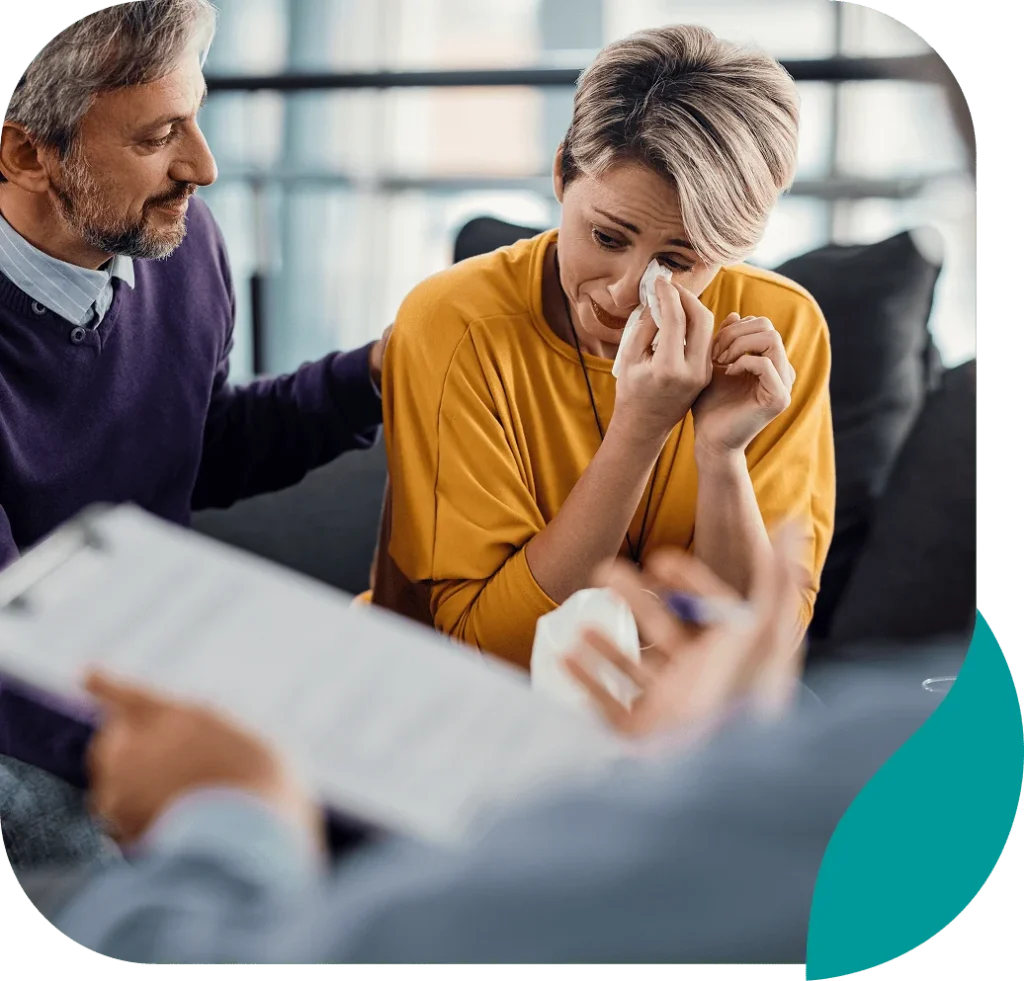
Supporting a Loved One
It’s painful to watch someone you care about become dependent on a medication that may have started as legitimate pain treatment. Many people resist the idea that they have a problem at all, precisely because a doctor prescribed the drug in the first place. Coming to them with understanding instead of accusations, and encouraging a medically supported path rather than quitting abruptly on their own, gives them a real opening to accept help. Keeping naloxone nearby and learning to spot the signs of an overdose adds a layer of safety in the meantime. You don’t have to carry all of this yourself — guiding your loved one toward an Oxycodone rehab program that fits their situation is one of the most valuable things you can do.
Frequently Asked Questions About Oxycodone Detox and Recovery
Oxycodone addiction is a compulsive pattern of opioid use that continues despite the damage it causes to a person’s health, relationships or responsibilities. It typically develops together with physical dependence, where the body has adapted to the drug and produces withdrawal symptoms when it’s reduced or stopped.
Yes. Physical dependence can develop with regular oxycodone use even under careful medical supervision at prescribed doses. Dependence isn’t the same as addiction, but it can progress into addiction, which is why any concerns about oxycodone use deserve a professional evaluation.
Opioid withdrawal is rarely life-threatening on its own, but it’s intensely uncomfortable — muscle aches, nausea, vomiting, diarrhea, anxiety, chills and insomnia are common — and it very often drives people back to using. The bigger danger comes afterward: tolerance falls during withdrawal, so relapsing at a previous dose sharply raises overdose risk. Medical support makes the process safer on both fronts.
Call 911 right away and administer naloxone if you have it, since it can temporarily reverse an opioid overdose. Stay with the person, keep them awake and breathing if you can, and be ready to give another dose of naloxone until emergency responders arrive.
Care generally begins with a medically managed withdrawal, arranged through a trusted partner, and then moves into individual counseling, group therapy and, for many people, medication-assisted treatment. A more structured option like inpatient care, PHP or an outpatient program may be recommended based on severity.
Only a medical or behavioral health professional can properly assess an opioid use pattern. That said, if the signs above are showing up in you or a loved one, or the idea of stopping feels unmanageable, that’s already enough reason to schedule an evaluation.
Oxycodone Rehab in Wayne and Scranton PA
Provive Wellness stands behind every client working to leave Oxycodone addiction in the past for good.
Oxycodone addiction rarely resolves on its own, but with structured support, recovery is well within reach. Contact us at 610-947-0800 to begin yours or a loved one’s journey to recovery. Our expert staff at our addiction clinics in Wayne PA and Scranton PA will assess the severity of the situation, line up medically supervised detox with a trusted partner, and deliver the core of your Oxycodone addiction treatment plan in-house — individual counseling, group therapy, medication-assisted treatment and other evidence-based programs — to guide your journey to recovery!

The Provive Difference

PERSONALIZED CARE
Innovative treatment tailored to you. Our experts embrace the latest in evidence-based practices to help patients get results.

SUPPORTIVE STAFF
You’re not alone. Our staff understands the challenges of overcoming addiction and provides support at every step.

HOLISTIC APPROACH
Physical health is just one piece of the puzzle. We help patients achieve optimal wellness in mind, body, and spirit.
Some Insurance Plans we work with include:


The journey to wellness starts with a single step
Contact our team to learn more about the programs and resources available to you at Provive.


