
Heroin Addiction
Comprehensive Heroin Addiction Treatment Program
Heroin is an illegal opioid derived from morphine, which itself comes from the opium poppy. On the street it appears as a powder ranging in color from white to brown, or in a dark, gummy form — black tar heroin. It’s one of the most addictive drugs in existence — the intense rush it produces rewires the brain’s reward system quickly, and tolerance and dependence can follow within a short period of regular use. Many people arrive at heroin after first misusing prescription opioids, and today’s street supply is frequently contaminated with fentanyl, which makes every use a potential overdose. Heroin addiction also tends to coexist with depression, anxiety, trauma and other substance use, so a full evaluation is where meaningful recovery starts. No one chooses to become addicted, and no one should face it alone — heroin addiction is a treatable medical condition, and structured addiction treatment offers a realistic way out.
Common Signs and Symptoms
Common Signs and Symptoms
- Nodding off mid-conversation or at odd times
- Constricted, pinpoint pupils
- Needle marks or bruising, often hidden under long sleeves
- Discovering syringes, burnt spoons or other paraphernalia
- Flu-like sickness — aches, chills, vomiting — when unable to use
- Rapid weight loss or a decline in personal hygiene
- Borrowing or taking money without explanation
- Growing distant from family, friends and old routines
- Erratic sleep — awake all night, asleep all day
- Lying about whereabouts or activities
- Using even as health, legal or job troubles mount
- Overpowering cravings that crowd out everything else

Levels of Care We Offer
Heroin withdrawal hits hard and fast, and the pull to relapse during it is enormous — which is why the right level of behavioral health care depends on the depth of the addiction and any co-occurring conditions.
We can arrange:
- Heroin detox — safely clearing the drug from the body requires medical expertise; a trusted partner manages this opening phase as our clinicians prepare everything that follows it.
- Inpatient/residential treatment — for those whose recovery needs to begin with 24-hour supervision, we organize that care through a trusted partner and integrate it with our own programming.
- Partial hospitalization program (PHP) — most of the day spent in structured treatment, most nights spent at home — an intensive middle ground.
- Medication-assisted treatment (MAT) — our providers prescribe buprenorphine, methadone or naltrexone directly, alongside addiction counseling, to calm cravings and protect against relapse.
- Intensive outpatient program (IOP) — multiple weekly sessions structured around real life — work shifts, classes, childcare and everything in between.
- Heroin outpatient program— steady counseling and relapse-prevention support that holds the line long after more intensive phases end.
Why Early Heroin Detox Matters
Every day heroin use continues, the risks stack higher — and with fentanyl now laced through much of the supply, a single bag can carry a lethal dose without any way to know beforehand. Acting early matters for a second reason too: tolerance collapses during any break from use, so someone who returns to their old amount after detox faces a dramatically elevated overdose risk. If you ever suspect a heroin overdose, call 911 immediately and give naloxone if it’s within reach — it can temporarily restore breathing while emergency crews respond. Recognizing the signs early and getting connected with a medical or behavioral health professional can genuinely be the difference between life and death with this drug.

Supporting a Loved One
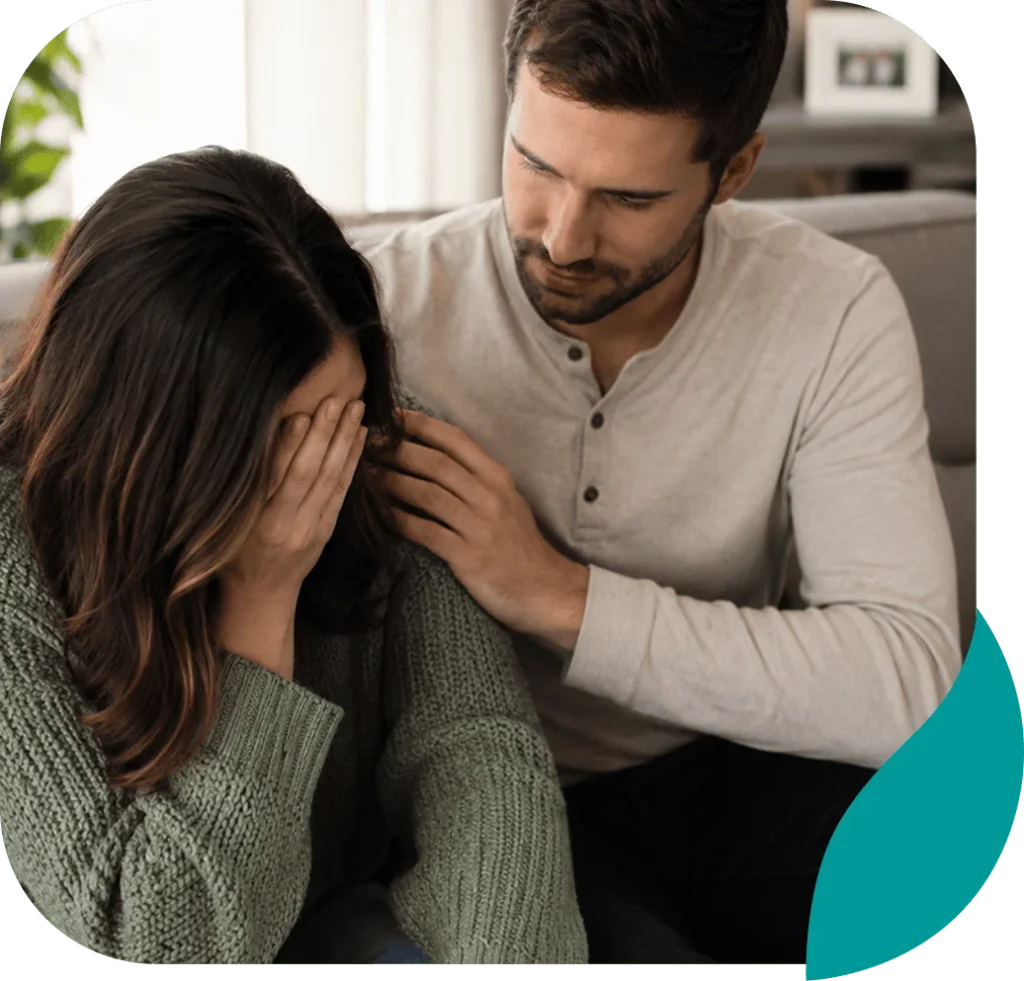
Loving someone through heroin addiction is exhausting and frightening in equal measure. Trust erodes, promises break, and it becomes hard to tell where the person ends and the addiction begins. What helps most is staying anchored in compassion without enabling — expressing concern plainly, encouraging professionally supported care instead of another attempt to quit alone, and refusing to give up on them as a person. Keep naloxone accessible and learn what an overdose looks like; that preparation saves lives. And remember that connecting them with a heroin rehab program built for their situation may do more good than a hundred difficult conversations.
Frequently Asked Questions About Heroin Rehab and Recovery
Heroin addiction is a compulsive drive to keep using the drug no matter the cost to health, relationships, finances or freedom. Physical dependence almost always develops alongside it, so the body responds to any gap in use with punishing withdrawal symptoms.
Heroin reaches the brain within moments of use and binds tightly to opioid receptors, flooding the reward system with an intensity few experiences can match. The brain adapts fast — requiring more of it to produce the same effect — and before long, using shifts from chasing a high to simply avoiding withdrawal.
Yes, and this is one of the deadliest aspects of today’s heroin supply. Fentanyl is vastly stronger than heroin, invisible once mixed in, and responsible for a large share of opioid overdose deaths. There’s no reliable way to detect it by sight, smell or taste.
Dial 911 right away, then administer naloxone if you have it — it can temporarily reverse the overdose and restart slowed breathing. Stay with them, keep them on their side if they’re unconscious, and give additional naloxone if symptoms return before help arrives.
The first stage is medically managed withdrawal, which we coordinate through a trusted partner, followed by counseling in individual and group formats and, very often, medication-assisted treatment. Higher levels of structure — residential care, a PHP or outpatient services — get added according to severity.
A qualified medical or behavioral health professional is the right person to make that call. But honestly, if heroin has entered your life or a loved one’s at all, an evaluation is worth scheduling — this drug’s risks escalate too quickly to wait and see.
Heroin Rehab in Wayne and Scranton PA
Provive Wellness meets every client where they are and works beside them until heroin addiction loses its hold.
Heroin addiction is one of the hardest battles a person can face — and one nobody should fight without backup. Contact us at 610-947-0800 to begin yours or a loved one’s journey to recovery. Our expert staff at our addiction clinics in Wayne PA and Scranton PA will evaluate what’s happening, secure medically supervised detox through a trusted partner, and run the core of your heroin addiction treatment plan ourselves — counseling one-on-one and in groups, medication-assisted treatment and other evidence-based programs — to guide your journey to recovery!

The Provive Difference

PERSONALIZED CARE
Innovative treatment tailored to you. Our experts embrace the latest in evidence-based practices to help patients get results.

SUPPORTIVE STAFF
You’re not alone. Our staff understands the challenges of overcoming addiction and provides support at every step.

HOLISTIC APPROACH
Physical health is just one piece of the puzzle. We help patients achieve optimal wellness in mind, body, and spirit.
Some Insurance Plans we work with include:


The journey to wellness starts with a single step
Contact our team to learn more about the programs and resources available to you at Provive.


