
Borderline Personality Disorder (BPD)
Comprehensive BPD Treatment Program
Borderline personality disorder, or BPD, is a behavioral health condition that makes emotions extraordinarily intense and difficult to regulate, coloring how a person sees themselves and connects with the people around them. Someone living with BPD may swing rapidly between idealizing and distancing themselves from the same person, feel a deep and persistent fear of being abandoned, and struggle with a self-image that never quite feels stable. The condition typically becomes apparent in early adulthood, and while it can feel most severe in those first years, symptoms often ease over time — especially with proper care. BPD carries heavy stigma, and people living with it are too often dismissed as difficult rather than recognized as hurting; the truth is that borderline personality disorder is treatable, and effective BPD therapy helps people build steadier emotions, stronger relationships and a clearer sense of who they are.

Common Signs and Symptoms
Common Signs and Symptoms
- A deep dread of being left behind, showing up even in small moments
- Relationships that cycle between extreme closeness and sudden conflict
- A self-image that shifts dramatically depending on the day
- Impulsive choices around spending, driving, eating or other risks
- Self-harming behavior or recurring thoughts of suicide
- Intense mood swings lasting hours to a few days
- A chronic feeling of emptiness that's hard to describe
- Anger that flares quickly and feels impossible to contain
- Stress-triggered paranoia or feeling detached from reality
- Pushing people away to avoid being rejected first
- Difficulty trusting others' intentions
- Seeing situations and people in all-or-nothing extremes

Therapies We Use in BPD Counseling
Psychotherapy is the primary, proven treatment for borderline personality disorder — and several specialized approaches have strong track records.
Depending on your needs, your plan may draw on:
- Dialectical behavior therapy (DBT) — developed specifically for BPD, DBT teaches concrete skills for managing intense emotions, tolerating distress and navigating relationships.
- Cognitive behavioral therapy (CBT) — helps identify and reshape the thought patterns that drive painful emotions and impulsive reactions.
- Schema-focused therapy — works on deep, long-standing patterns formed early in life that keep repeating in adult relationships.
- BPD group therapy — skills practice and peer support in a group setting, where new ways of relating can be tried in real time.
Why Early BPD Therapy Matters
BPD is among the most treatable personality disorders when care starts early — emotional regulation skills learned sooner protect relationships, careers and self-worth from years of avoidable damage, and research shows symptoms genuinely improve for most people who stick with treatment. Delay, on the other hand, allows painful cycles to deepen and raises the risk of crises, including self-harm. If you or someone you love is in immediate danger or having thoughts of suicide, call or text the 988 Suicide & Crisis Lifeline, or call 911 in an emergency. For everything short of a crisis, the strongest step is a prompt evaluation with a medical or behavioral health professional — an accurate diagnosis is the doorway to treatment that actually fits.

Supporting a Loved One
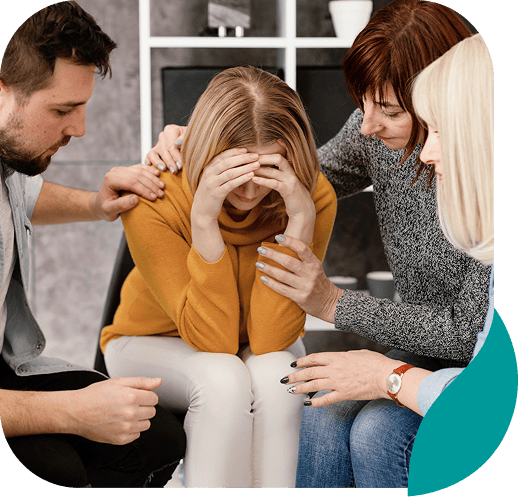
Loving someone with borderline personality disorder can feel like standing on shifting ground — warmth one moment, hurt and conflict the next, and you may find yourself walking on eggshells to keep the peace. It helps to remember that the push-pull isn’t manipulation for its own sake; it’s driven by a genuine terror of abandonment and emotions that arrive at overwhelming volume. Set boundaries kindly but hold them consistently, validate the feeling without necessarily agreeing with the behavior, and resist the urge to argue during emotional storms. Encourage professional BPD counseling patiently, and seek support for yourself as well — family education is part of good treatment. Helping your loved one connect with clinicians who genuinely understand this condition can change the entire trajectory.
Frequently Asked Questions About Borderline Personality Disorder Treatment
BPD is a mental health condition centered on difficulty regulating emotions, which ripples outward into unstable relationships, a shifting self-image, impulsive behavior and an intense fear of abandonment. It affects roughly one to two percent of adults and usually emerges by early adulthood.
The causes aren’t fully understood, but several factors appear to work together: genetics, differences in the brain areas that govern emotion and impulse control, and environmental experiences — a history of childhood trauma, abuse or neglect is common, though not everyone with BPD has that history, and not everyone with that history develops BPD.
No, though they’re often confused. Bipolar disorder involves distinct mood episodes that last weeks at a time, while BPD’s shifts move much faster — often within hours — and are usually set off by interpersonal events. The two conditions call for different treatment approaches, which is why an accurate diagnosis matters so much.
Psychotherapy is the core treatment — no drug currently carries FDA approval for treating BPD itself. That said, medications can help with co-occurring issues like depression or anxiety, so prescribing providers are often part of a well-rounded care team.
Yes — genuinely. BPD has one of the better long-term outlooks among personality disorders: with sustained treatment, most people experience real symptom improvement, and many reach a point where they no longer meet diagnostic criteria at all. Skills learned in therapy tend to keep paying off for life.
Only a qualified medical or behavioral health professional can diagnose borderline personality disorder. But if intense emotions, unstable relationships or fear of abandonment are repeatedly disrupting your life or a loved one’s, that pattern alone justifies an evaluation — and effective help exists.
BPD Counseling in Wayne and Scranton PA
At Provive Wellness, clients with borderline personality disorder find something they may not expect: a team that doesn’t flinch, doesn’t judge and doesn’t give up.
BPD can make life feel like a storm that never fully passes — but with the right treatment, calmer water is genuinely reachable. Contact us at 610-947-0800 to begin yours or a loved one’s journey to recovery. Our expert staff at our behavioral health treatment centers in Wayne PA and Scranton PA will complete a careful evaluation and build a borderline personality disorder treatment plan around your life — drawing on DBT-informed BPD counseling, BPD group therapy, coordination with prescribing providers and other evidence-based programs — to help you build the stability you deserve!
Sources
Mayo Clinic

The Provive Difference

PERSONALIZED CARE
Innovative treatment tailored to you. Our experts embrace the latest in evidence-based practices to help patients get results.

SUPPORTIVE STAFF
You’re not alone. Our staff understands the challenges of overcoming addiction and provides support at every step.

HOLISTIC APPROACH
Physical health is just one piece of the puzzle. We help patients achieve optimal wellness in mind, body, and spirit.
Some Insurance Plans we work with include:


The journey to wellness starts with a single step
Contact our team to learn more about the programs and resources available to you at Provive.


